

As organizations continue to invest in digital transformation, video has become a critical part of how teams communicate, collaborate, and engage with customers. But many companies are discovering that a basic meeting tool is no longer enough.
現代のビデオコラボレーションプラットフォームには、単に人々をつなぐ以上の役割が求められます。組織がビデオ体験を大規模に管理し、既存システムと連携させ、ビジネスを推進する独自のワークフローをサポートできるよう支援すべきです。.
The challenge is that many organizations are still juggling disconnected tools, fragmented workflows, and growing demands for customization. As communication needs evolve, businesses are looking for platforms that can adapt alongside them.

The Evolution of the Video Collaboration Platform
For years, video technology was primarily viewed as a way to host meetings. Today, organizations use video across nearly every aspect of their operations, including:
- Internal collaboration
- Customer engagement
- Virtual services
- Training and education
- Events and webinars
- Remote support
- Operational workflows
As video becomes embedded in more business processes, organizations need a video collaboration platform that supports more than just meetings. The focus has shifted from communication to workflow enablement.
The Challenge: Too Many Tools, Not Enough Integration
One of the biggest hurdles organizations face today is platform fragmentation.
Different departments often adopt different tools for meetings, events, customer engagement, and collaboration. Over time, this creates:
- Inconsistent user experiences
- Increased IT overhead
- Duplicate licensing costs
- Security concerns
- Disconnected workflows
Instead of simplifying communication, technology can inadvertently make it more complex.
This is why many organizations are re-evaluating their video strategy and looking for ways to consolidate experiences within a single enterprise video platform.
Why Managing Video Is Just as Important as Delivering It
Many solutions help organizations collaborate.
Some help organizations manage video environments.
Very few enable organizations to build on top of that foundation.
As video usage grows, management becomes increasingly important. Teams need visibility into users, devices, content, workflows, and performance. A scalable video collaboration platform should help organizations:
- Standardize communication experiences
- Support governance and security requirements
- Manage users and deployments efficiently
- Scale across teams and locations
- Simplify ongoing administration
Without proper management, growth often leads to complexity.
The Rise of Custom Video Applications
Organizations are increasingly looking for technology that fits their workflows rather than forcing them to adapt to rigid software.
This has fueled demand for embedded video solutions and custom video applications.
Whether supporting customer interactions, healthcare workflows, financial services, or internal operations, organizations want the ability to integrate video directly into the systems their users already rely on.
The ability to build custom experiences allows teams to:
- Improve adoption
- Reduce workflow disruption
- Deliver more consistent user experiences
- Differentiate services
- Extend the value of existing technology investments
The future of video is not one-size-fits-all. It is adaptable, integrated, and workflow-driven.
What Should Organizations Look for in a Video Collaboration Platform?
As communication requirements continue to evolve, organizations should evaluate platforms based on more than meeting functionality alone.
Key considerations include:
柔軟性
Can the platform adapt to different use cases, users, and environments?
統合
Does it connect with existing systems, applications, and workflows?
スケーラビリティ
Can it support future growth without adding complexity?
Management
Does it provide the tools needed to manage users, environments, and deployments effectively?
カスタマイズ
Can organizations build unique experiences that align with their business objectives?
These capabilities are becoming increasingly important as video moves from a standalone tool to a strategic business platform.
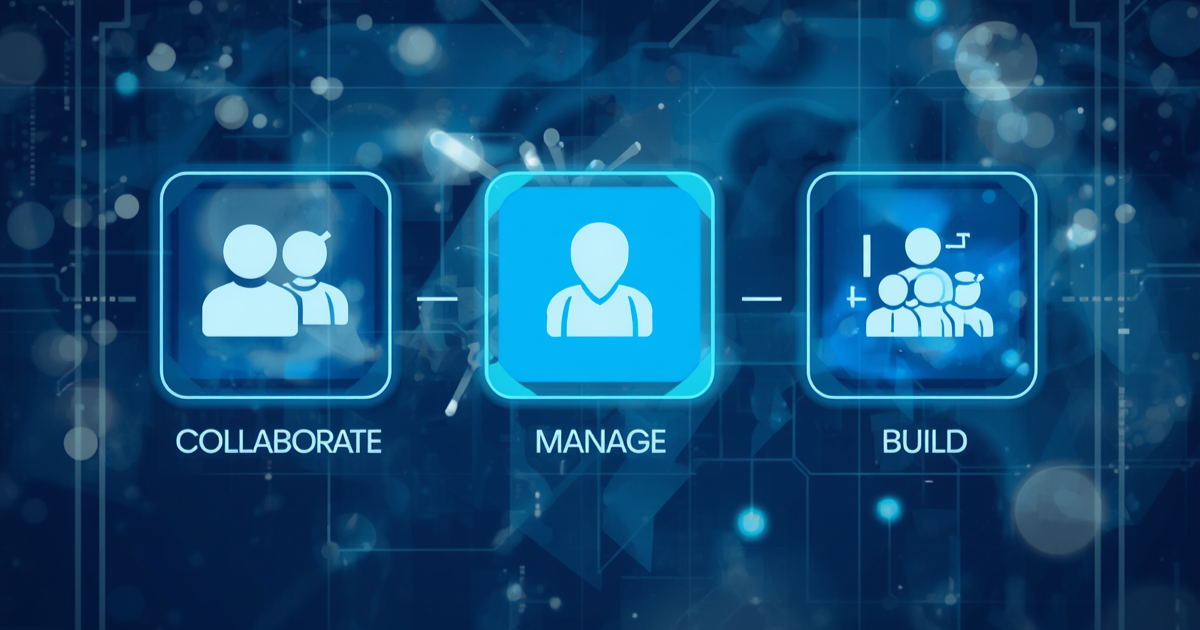
コラボレーション。管理する。構築する。
Organizations today need more than a video meeting solution. They need a platform that helps them collaborate effectively, manage video experiences with confidence, and build solutions that support their long-term goals.
As communication becomes more deeply embedded across customer, employee, and operational experiences, the most successful organizations will be those that choose technology capable of growing alongside them. The question is no longer whether video is important; it’s whether your video collaboration platform is built for what’s next.
 English
  Français
  日本語
日本語  Español
  Italiano
  Nederlands
  Deutsch