
Enghouse Video Blog
News, updates, thought leadership and more.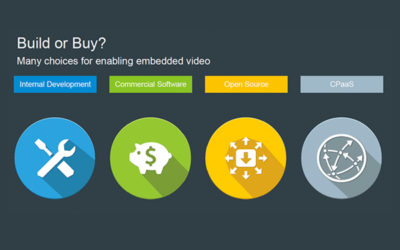
Building Telemedicine Apps with vidyo.io, Part 2
In part one of this blog series, we discussed the benefits of embedded video for both the provider and the patient. In this post, we’ll review key points of consideration to ensure a successful telemedicine app. Important Considerations Before you get started on your...
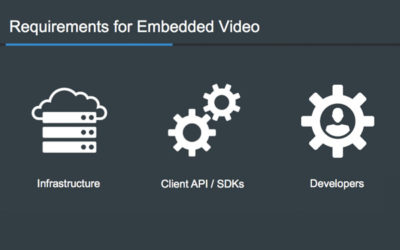
Building Telemedicine Apps with vidyo.io
Vidyo recently hosted its first inaugural Vidyo Healthcare Summit in Nashville, TN. Many leaders in telemedicine attended, sharing their experiences and best practices with the broader community. It was truly inspiring to see the leaders who are saving lives every day...
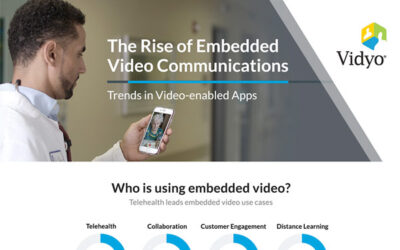
New Research Study Highlights Need for Video-enabled Communications PaaS
From large enterprises to SMBs and early-stage startups, organizations across many industries are leveraging embedded video to enhance collaboration and engagement. In healthcare, embedded video facilitates increased access to specialized care for patients in remote...
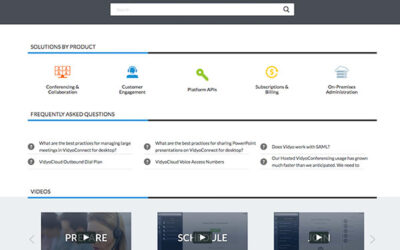
Vidyo Launches New and Improved Help Center!
Vidyo is happy to announce that help has arrived in the form of a newly revamped Help Center. We’ve revised, restructured, and reorganized our support system to better serve all of our customers’ needs. The new look and improved functionality means easier access and...

Improving VP9 Without Changing It – Part 3
In parts one and two of this blog series, we discussed VP9 and the implementation of scalability. In this last installment, we will cover the codec itself and the benefits of Vidyo’s new implementation of scalable VP9. Read more - Improving VP9 Without Changing It -...

Improving VP9 Without Changing It – Part 2
In this three part blog series, we are covering VP9, scalability, and Vidyo’s new, higher performance VP9 codec. In part 1, we discussed temporal scalability; today we’ll dive into spatial scalability. Read More - Improving VP9 Without Changing It - Part 1 The second...
Improving VP9 Without Changing It – Part 1
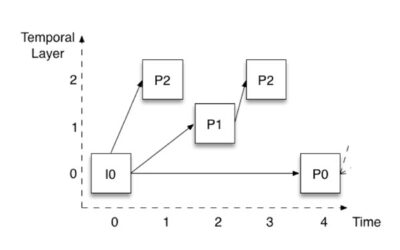
Vidyo recently announced its own codec implementation of scalable VP9, with significant performance and efficiency improvements compared to the WebM open-source VP9 codec implementation, especially on mobile devices. Additionally, Vidyo’s VP9 codec maintains full...

Comment capitaliser un webinar en interne ?
Connaissez-vous cet outil 2.0 que toutes les entreprises affectionnent particulièrement ? C’est le Webinar ! Qu’est-ce que cela signifie ? Il s’agit d’un mot valise qui utilise la contraction des mots anglais « web » et « seminar ». Pour faire plus simple, il s’agit d’une conférence qui se déroule en direct sur internet. Principalement utilisé en entreprise, ce moyen de communication utile et efficace à souvent ses limites, notamment sur la mauvaise mémorisation, les nombreuses répétitions qu’il y à faire par session… Ce qui amène à une perte de temps considérable ! Mais comment renforcer efficacement son impact et le capitaliser auprès de ses collaborateurs ?

Real-time Video Communications, AI and the IoT’s Impact on the Behavioral Economics of Healthcare
Behavioral economics is all about why we make the choices we make as individuals, and how those decisions affect ourselves and the industries we rely on, such as healthcare. As we approach the first-ever Vidyo Healthcare Summit, we’ve been lucky enough to peek behind...

An Exclusive Interview with Nick Adkins of the Pink Socks Tribe
The future of healthcare delivery is all about providing better access to high-quality care at lower costs. It’s quickly becoming reality through digital health technologies like telemedicine. Telehealth simplifies life for the patient and the provider, bringing back...
Innovating Toward Inclusive Care Delivery
In preparation for our inaugural Vidyo Healthcare Summit, our team has been hard at work, connecting some of our most innovative customers and partners in telehealth. We’re gathering to re-imagine the future of care delivery. And amidst all of the emails, phone calls,...

Onboarding des collaborateurs : la Checklist pour réussir avec la vidéo
Selon une étude de Mercuri Urval, cabinet de recrutement, près de 40% des employés récemment embauchés souhaitent quitter leur poste pendant leur période d’essai, soit environ 1 salarié sur 2. Mais ce n’est pas tout, 20% des contrats CDI sont résiliés durant les 3 premiers mois. Dans la plupart des cas, la rupture est à l’initiative de l’employé. Mais à quoi est-ce dû ? Tout simplement, à une mauvaise intégration. Vous souhaitez savoir comment bien intégrer vos salariés afin qu’ils aient envie de rester et bien entendu qu’ils soient rapidement productifs ?
 English
  Français
  日本語
日本語  Español
  Italiano
  Nederlands
  Deutsch